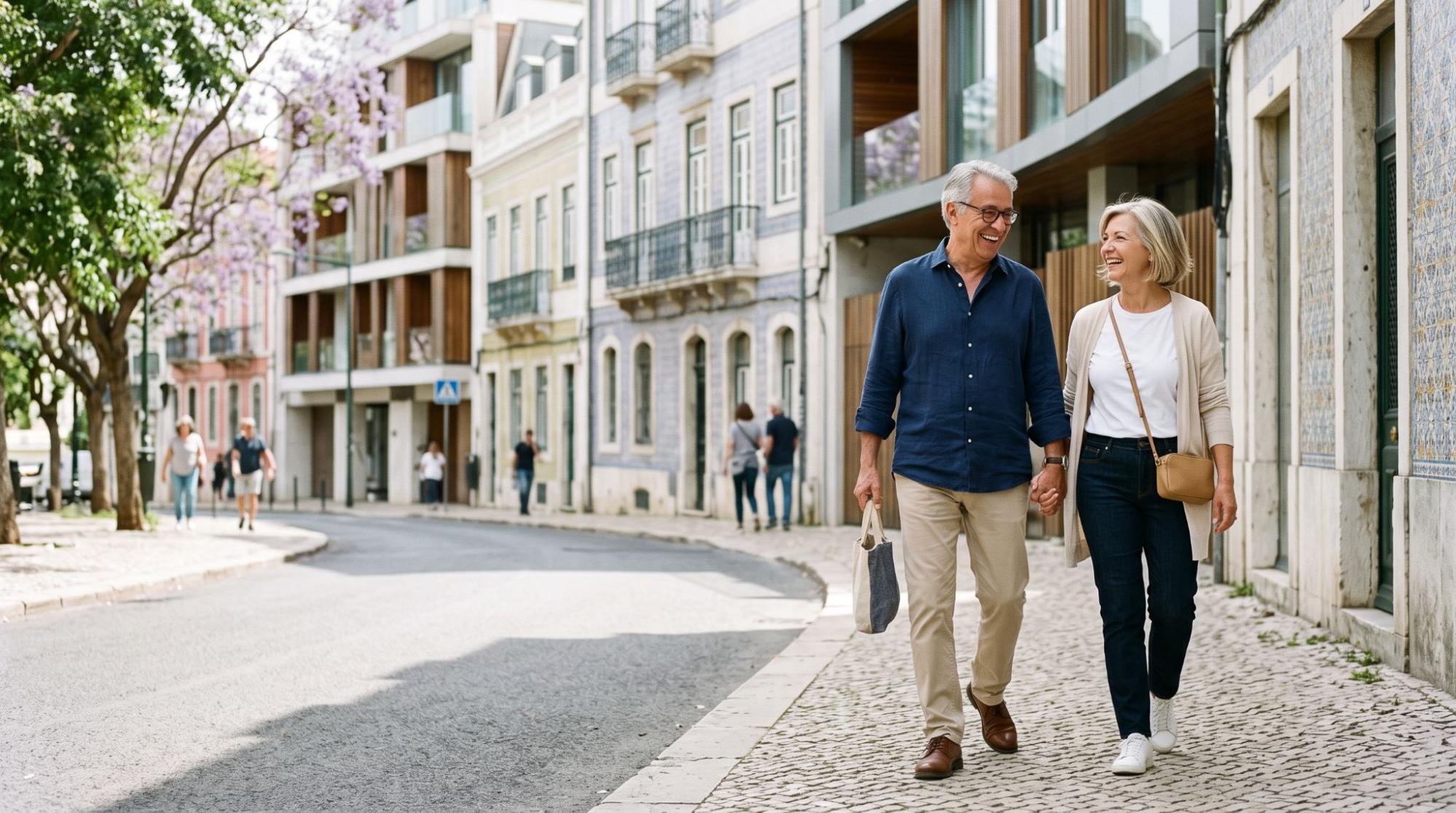
Loneliness has become one of the biggest public health concerns of the 21st century, particularly affecting the senior population. In Portugal, the numbers are worrying: 21.9% of adults say they feel lonely, and over 574,000 people aged 65+ live alone, placing the country fourth in Europe for senior loneliness (Pordata, 2024).
What many don’t realise is that loneliness isn’t just an emotional issue. It is a serious health problem, with consequences as harmful as smoking, obesity or alcoholism.
The difference between being alone and feeling lonely
Before anything else, it’s important to distinguish two key concepts:
- Physical isolation – the objective lack of social contact. This is common in rural and inland regions where neighbours move away and villages are left empty. But it also affects people who live in old city buildings without lifts, unable to leave their homes due to reduced mobility.
- Emotional isolation – the subjective feeling of having no one to rely on, even when surrounded by others. It often affects people who live with family but spend most of their day alone while relatives work or study (CNN Portugal, 2025).
The numbers behind a silent crisis
Portugal is one of the most aged countries in Europe, alongside Italy. The data is clear (Pordata, 2024):
- More than 2.5 million Portuguese citizens are aged 65+
- The older population has been growing by over 2% a year since 2019
- There are now 192.4 older adults for every 100 young people (2024 data)
- 20% of people aged 75+ admit to feeling lonely
The situation is particularly severe in rural areas of the northern interior, where population ageing is most pronounced (Renascença, 2024).
The real impact of loneliness on health
Recent studies show that loneliness isn’t just uncomfortable, it’s a major health risk.
Physical consequences
A US study published in the Journal of the American Geriatrics Society found that 53% of older adults attending primary care units reported feeling lonely (JAGS, 2024). The research concluded that loneliness can be more harmful than smoking up to 15 cigarettes a day.
A European meta-analysis found that loneliness, social isolation and living alone increase mortality risk by 30% (European Studies Meta-Analysis). Across Europe, nearly 20% of older adults live alone, facing a higher risk of:
- Cardiovascular diseases
- Diabetes and chronic illnesses
- Cognitive decline and dementia
- Accelerated physical frailty
- Falls and domestic accidents
Mental consequences
The psychological impact is just as serious. Loneliness is closely linked to:
- Depression – Portuguese studies show a two-way relationship between loneliness and depression (CNN Portugal, 2025)
- Anxiety and sleep disorders
- Suicidal ideation – particularly among those aged 80+
- Faster cognitive decline due to lack of stimulation
Risk factors: Who is most vulnerable?
Recent European studies have identified the groups most at risk (BMC Geriatrics, 2025):
- People aged 80+ – incidence and severity increase with age
- Widowed or divorced adults – loss of a partner is a major trigger
- Those living alone – especially without close family nearby
- People with limited mobility – trapped in homes without accessibility
- Older adults with chronic illnesses – which restrict social participation
- Rural populations – where communities are shrinking
Warning signs: How to identify loneliness
Early signs matter:
- Reduced contact with friends and family
- No participation in social activities
- Repeated phrases such as “What’s the point now?”
- Neglect of personal appearance or home
- Changes in eating or sleeping habits
- New physical complaints with no clear cause
- Apathy or loss of interest in previous hobbies
Loneliness is not inevitable: Solutions do exist
Ageing doesn’t have to mean living alone or feeling isolated. There are modern alternatives that allow people to remain independent while enjoying companionship and safety.
The role of senior residences
Today’s senior residences mark a major shift from traditional “old-age homes”. They are purpose-built communities for independent older adults who value:
- Independence with safety – private apartments with 24/7 support
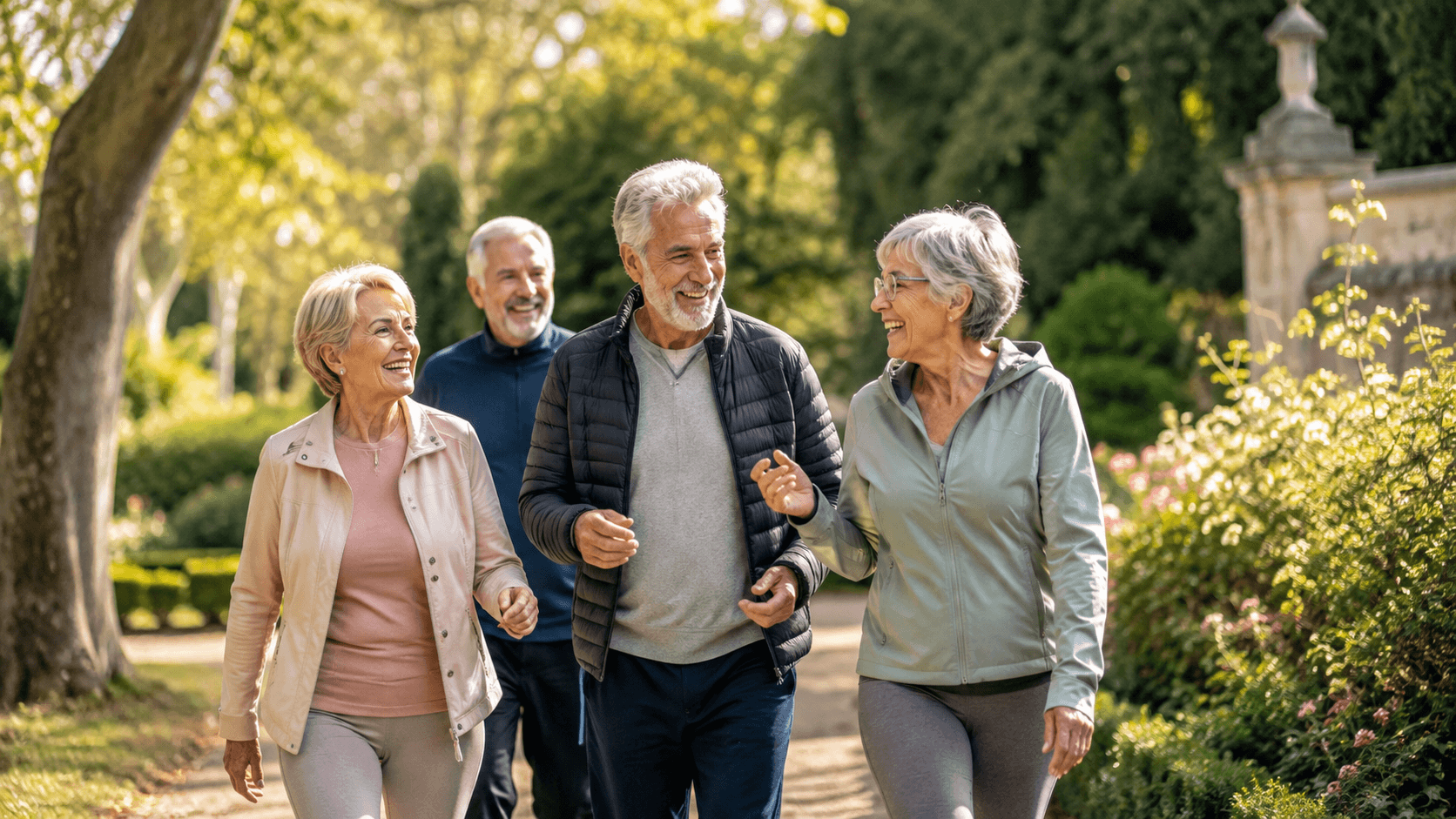
- Active social life – daily cognitive activities, creative workshops, cultural events and regular interaction
- Community engagement – intergenerational programmes and cultural outings
- Included services – meals, cleaning, healthcare and no burden of household management
As highlighted in a recent study on collaborative housing in Portugal, frequent social interactions help reduce isolation and depression, promoting a more dynamic and healthy lifestyle.
Proven benefits
European researchers have studied the impact of community-based living on seniors:
- Reduced emotional loneliness through daily social interaction
- Slower cognitive decline with structured mental stimulation
- Better physical health thanks to guided activities and access to healthcare
- Higher self-esteem and sense of purpose
- Fewer falls thanks to safe, adapted environments
A 2024 European study concluded that social loneliness is strongly linked to physical, psychological and social frailty, and that preventive measures and sustained social support are essential.
Planning for a long and fulfilling life
Demographer Maria João Valente Rosa, professor at NOVA University Lisbon, is clear:
“Knowing we will live many more years, we must prepare for long lives.”
And preparation should start early, while we are still young.
Practical recommendations:
- Build intergenerational relationships – don’t rely solely on peers
- Stay active — physically and mentally
- Adapt your home – remove hazards, improve accessibility
- Plan your future housing — consider options before it becomes urgent
- Nurture a diverse social network — community groups, clubs and local activities
A lifestyle choice, not a last resort
It’s time to change the narrative around ageing. Choosing to live in a senior community isn’t giving up independence — it is a proactive choice for those who want to enjoy their later years with quality, safety and companionship.
Discover Club65: Where independence meets community
At Club65, we know that independence doesn’t mean loneliness. Our residences are designed for active older adults who value autonomy but also appreciate the safety and warmth of a vibrant community.
What Club65 offers:
- Fully equipped private apartments
- Optional services — no household worries
- A full programme of social and cultural activities
- A multidisciplinary team available 24/7
- A community of active residents — daily interaction and friendships
Live your best years in a place designed around your wellbeing. Visit Club65 and discover how independence, comfort and companionship can all exist under the same roof.
Sources
This article draws on scientific studies and official data, including:
- Fundação Francisco Manuel dos Santos (Pordata) – 2024 Statistics
- Instituto Nacional de Estatística (INE)
- BMC Geriatrics – 2025 studies on loneliness and ageing
- Age and Ageing – European research on frailty and social isolation
- Journal of the American Geriatrics Society – 2024 studies on loneliness and health risks
- Revista Ibero-Americana de Gerontologia (RIAGE)
- CNN Portugal and Renascença (2024–2025 reports)